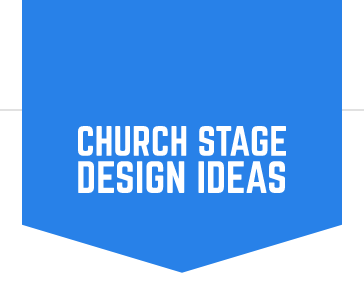



Paul Snyder from Fairfax Community Church in Fairfax, Virginia brings us this shining piece of art from their stage.
They wanted a very light-bulby set so they went with 220 lightbulbs. They created two 12×12 foot frames and lined them with light sockets every two feet. They also created two 8×8 foot grids with the same setup.
Then they hung 50 light sockets from the ceiling to finish the look. All the lights were on dimmers so they could be brightened or brought down in worship to create certain moods.




Why This Design Works
The beauty of this incandescent bulb design lies in its simplicity and raw visual impact. Unlike LED fixtures that can sometimes feel cold or clinical, the warm glow of traditional Edison-style bulbs creates an intimate, inviting atmosphere perfect for worship settings. The grid pattern provides geometric structure that photographs beautifully while the dimming capability allows the lighting team to match the emotional arc of any service.
The modular frame construction makes this design surprisingly portable and reusable. The 12×12 and 8×8 foot sections can be broken down, stored flat, and reassembled for different venues or events. This scalability means the same core design can work equally well in a small chapel or a large auditorium simply by adjusting the number of grid sections used.
From a technical standpoint, the decision to place bulbs every two feet creates optimal light coverage without overcrowding. This spacing ensures each bulb remains a distinct visual element while collectively providing enough illumination for the stage. The additional 50 hanging bulbs add vertical dimension, drawing the eye upward and creating a sense of height even in rooms with standard ceilings.
The dimmer integration is what truly elevates this design from static scenery to dynamic lighting instrument. By controlling brightness levels, the lighting operator can create entirely different moods—from bright and energetic for upbeat worship songs to soft and contemplative for prayer or communion moments. This versatility means the set works for multiple service styles without requiring physical changes.
Construction Details and Materials
The framework for this design relies on standard dimensional lumber and basic construction techniques that most volunteer teams can handle. The 12×12 foot frames likely use 2×4 or 2×6 lumber for rigidity, with cross-bracing to prevent warping under the weight of 220 bulbs. Each socket requires secure mounting to prevent loosening from vibration during high-energy worship moments.
Wiring this many bulbs requires careful electrical planning. At approximately 60 watts per bulb (standard incandescent), the total load could reach 13,200 watts—substantial enough to require multiple 20-amp circuits. Modern LED Edison bulbs could provide the same aesthetic at a fraction of the power draw and heat output, making the design more practical for venues with limited electrical capacity.
The ceiling-mounted bulbs present unique installation challenges. Each hanging socket needs secure anchoring to structural elements above the drop ceiling or exposed beams. Safety cables should back up every fixture to prevent accidents if primary mounting fails. The visual effect of these hanging elements creates depth and makes the stage feel larger than its physical footprint.
For a different take on combining structural elements with lighting, see how Radiant Pillars uses wooden pillars with integrated LED tubes to create vertical stage elements.
Related Designs
- Lit Truss – Another innovative lighting design using LED pixel tape on truss towers for dynamic stage effects
- Seeing Spots – Circular stage design featuring LED orbs and geometric patterns for modern worship spaces
- Mountains and Starships – LED mountain backdrop using PEX tubing diffusion and modular wooden structures
- 80’s Points – Geometric lighting design featuring bold angles and programmable LED elements
- LED Cloud – Suspended LED installation creating atmospheric lighting effects for worship environments
Pro Tips for Bulb Grid Stage Designs
Plan Your Electrical Load: Before building, calculate total wattage and ensure your venue’s electrical system can handle the load. Consider using LED Edison bulbs that provide the same warm aesthetic at 6-10 watts per bulb instead of 60. This reduces heat, power consumption, and electrical requirements while maintaining the vintage look.
Use Quality Dimmers: Invest in professional-grade dimmers designed for theatrical or architectural lighting. Standard household dimmers may not handle the load or provide smooth dimming curves needed for worship environments. Look for dimmers with DMX compatibility for integration with lighting consoles.
Secure All Connections: Vibration from music and movement can loosen bulb sockets over time. Use thread-locking compound on socket mounting hardware and check connections regularly. For hanging bulbs, use safety cables rated for at least five times the fixture weight as a backup to primary mounting.
Consider Bulb Spacing Carefully: While this design uses two-foot spacing, your venue may require different spacing based on ceiling height and desired coverage. Test a small section before committing to full construction. Closer spacing creates denser light; wider spacing emphasizes individual bulbs.
Related: Mountains and Starships – Discover how Victory Church created stunning LED mountain stage designs using PEX tubing diffusion and modular wooden structures for multi-campus use.
Related: Light-Filled Boxes – Grace Capital Church’s stunning $500 stage design featuring custom light boxes with exposed bulbs and versatile Coroplast diffusion options.


This is beautiful! Works really well with the soft blues and lavenders.
Can you post how you built the frames? We were trying to do this for one of our stages at camp this year but couldn’t get it to work right. How did you wire them?
Patrick,
Thanks for the question. We really wanted to create something on straight lines so we knew a grid would be our best best. We found a strand of lights that we liked and built our grid to fit that. This is the light strand we got. http://1000bulbs.com/product/826/SIV-LSM24102PBL.html
We only bought one and were able to borrow two from another church that had the same strands. For the hanging lights, we bought individual light sockets and cords at Ikea. Then we had 15 foot extension cords that we hung at varying heights.
For the grids themselves, we built two 12×12 grids and two 8×8 grids. We did the math and knew that with the light strand we were getting, it had 50 sockets spaced two feet apart which would just work. So we bought a bunch of 12′ x 2″ pieces of wood. We laid down two of the pieces for our top and bottom. Then we measured and put another piece every two feet. As we started screwing it all together we realized that we needed to trim our vertical boards a couple of inches or we’d actually be taller than 12 feet and that would mess up the lighting. After we got the grids put together and painted, it was just a matter of installing the lights. We thought about trying to staple them onto the wood, but ended up using black gaffe tape instead. We also built out three sets of legs, two on the ends and one for the middle to help them stand up and then sand bagged them.
Looking back, I’d make the height and length a little less than 12 feet. There were turns that really stretched our light strand. I wish we’d have had a little more wiggle room.
How much was the total set design ??
I would also love to have some more detail on the frames and wiring. I was trying to do a similar design for a special event, but scrapped the idea for something a little simpler. I really want to give it another go and your suggestions would really help. Thanks!
Great Design, I’ve been wanting to do this myself. Do you have happen to have any photos with the lights on of the grid?
Ryan,
I looked through my pics, but I didn’t have one that was close enough to really see how the lights were attached. I can tell you that we used gaffe tape above and below each socket and we wrapped it completely around the post it was attached to. Otherwise, the tape started peeling up.
this design looks great.
I really really really like the grids of lamps in the background… I would love to try that on my stage, I would be worried about folks (and camera guys) accidently running into the lamps.
all our cameras are offstage, so we didn’t have that problem.
Hey Paul, What type of wattage did you use for the light bulbs?
ryan,
we used 11w bulbs in this design. i was worried they wouldn’t be bright enough but they worked really well.