



Glen Belcher from Cornerstone Tupelo in Tupelo, MS brings us this PVC pipe truss.
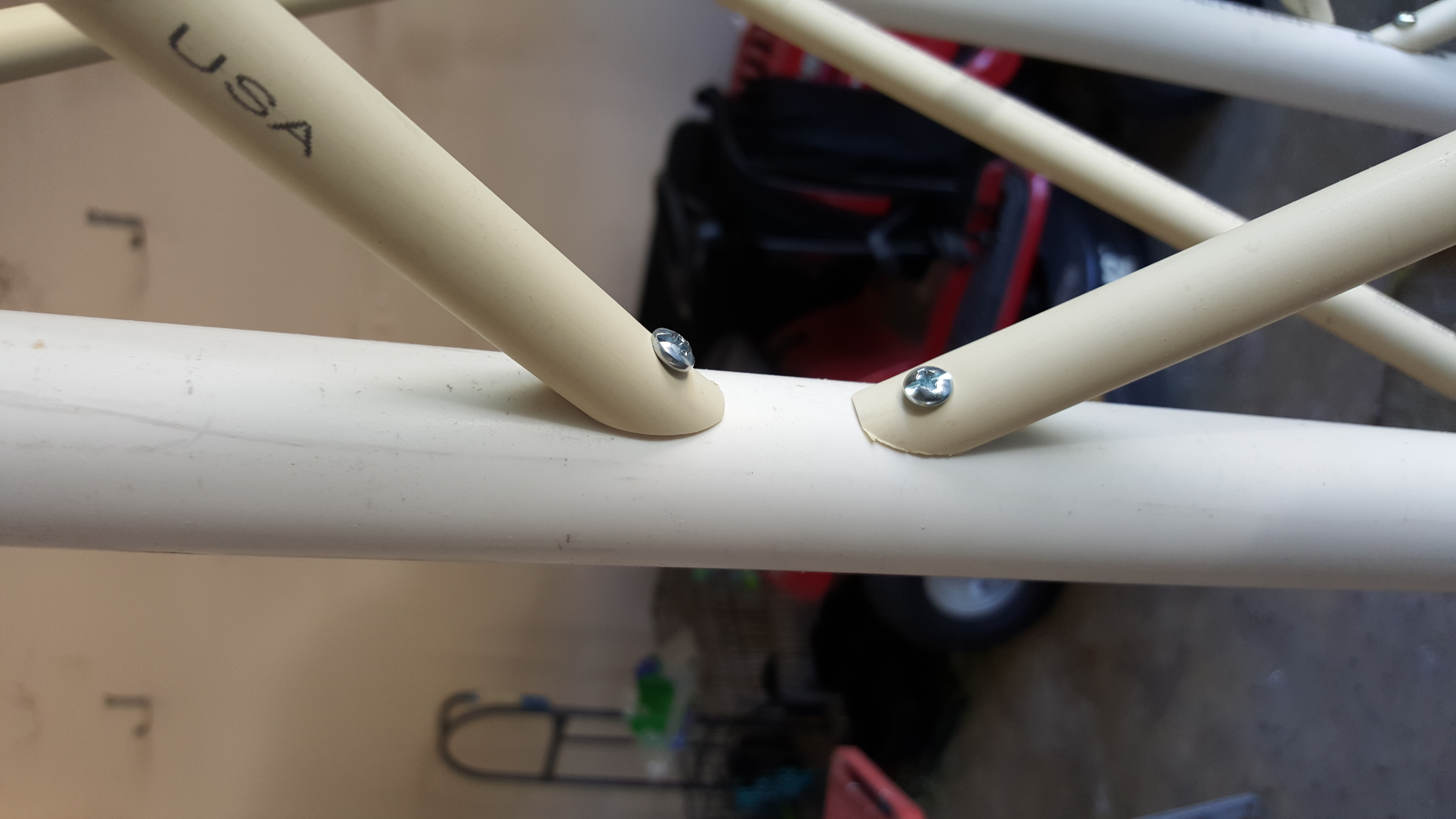
Glen used four 1″×8′ PVC pipes secured to 1″ PVC end caps on a wooden baseboard for the uprights. For the upper and lower supports, he used 1/2″ PVC pipe connected to 1″×1/2″ reducer fittings (8) that were cut in halves and fitted together to make 90° angles. For the cross supports, he used 1/2″ PVC attached to the uprights with pan head screws. (Note: PVC is very flexible making it hard to keep the uprights straight.)




Building Affordable Stage Structures with PVC
PVC pipe has become a secret weapon for churches working with tight budgets. This truss design demonstrates how affordable materials can create professional-looking stage elements when combined with thoughtful engineering and creative vision. For under $50 in materials, you can build structures that would cost hundreds using traditional theatrical materials.
The genius of PVC lies in its combination of strength, light weight, and versatility. While it won’t support heavy lighting fixtures like aluminum truss, it’s perfect for hanging fabric, lightweight decorations, or small LED fixtures. The 1-inch schedule 40 PVC used in this design can support surprising weight while remaining easy to transport and assemble.
Churches in rented facilities particularly benefit from PVC construction. These structures break down completely for storage, leaving no trace after teardown. They can be adapted to different room sizes and configurations. Unlike permanent installations, PVC structures evolve with your needs—add sections, change heights, or reconfigure layouts as your vision changes.
The connection hardware makes all the difference. Standard PVC fittings work, but specialized theatrical connectors create cleaner joints and more professional appearances. Consider painting or wrapping PVC pipes to hide the telltale white plastic look. With proper finishing, congregation members won’t recognize they’re looking at plumbing supplies.
Related Designs
- DIY Light Bars – Another affordable DIY lighting solution
- Beacon Poles – Vertical stage elements using similar construction techniques
- Lamp Posts – PVC and pipe-based stage decorations
- Light Bulb Wall Panels – Modular panels that can be supported by PVC frames
- Coroplastered Walls – Another budget-friendly construction material for stages
Pro Tips for PVC Stage Construction
Plan for Stability: PVC structures need wide bases or external bracing to prevent tipping. Calculate your center of gravity before building. Use sandbags or stage weights on base plates for additional security. Never rely solely on friction—positive connection to the floor prevents accidents.
Use the Right Adhesive: PVC cement creates permanent joints that can’t be disassembled. For reusable structures, consider using screws through fittings or friction-fit connections that can be taken apart. Mark connection points clearly so reassembly is straightforward.
Paint for Professional Results: Raw PVC looks cheap. Spray paint designed for plastic creates a finished appearance. Black paint disappears on stage. Metallic paints create interesting effects. Always paint before assembly—taped joints won’t stick to painted surfaces.
Know Your Weight Limits: Test your structure with gradually increasing weight before hanging anything valuable. PVC strength varies by diameter and schedule. When in doubt, over-engineer. Better to have extra capacity than to watch your structure collapse mid-service.


What’s the weight restriction on that!! Looks great
I’d say 5-10 lbs. The shorter, the more stable. This one is 8ft.
If I bump the corns up to 2″ and add cross support about 1 would that be enough to support 6 mini moving spots
From recent experience that would not work as it is so flexible and it bends you would have to have something very thick and have a nice solid base if you made it with metal it would work better but the weight of the moving heads wouldn’t work as I’ve tried it before. I have also done my oerforming arts course and at that they only recommend metal and no pvc.
How much does just 1 truss cost to make and also what are all the measurements such as the ones at Angles and the ones at the top connected to the tees
how much does 1 cost
This looks great, but it looks to me like it would be much easier to not cut the corner couplings and just add extensions (8″-12″)on the top. It will still look like the pipe is going all the way through the corner couplings. Am I wrong?
How did you secure the bottom piece?
Just a suggestion for those who need more stability. On your long pieces, add a second piece inside of the outside piece, you can usually find a size that will fit very snug.