



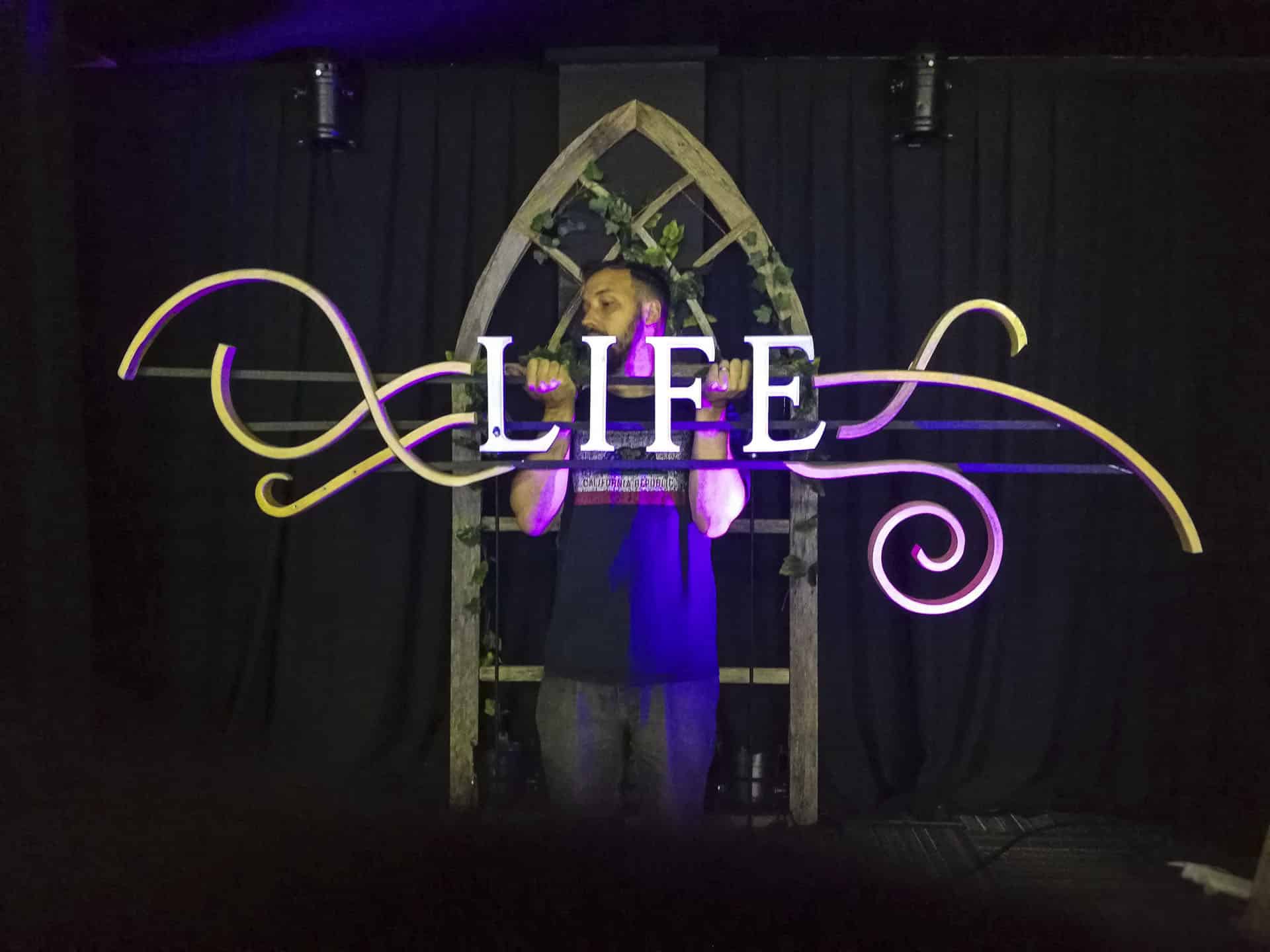
Daniel Walmsley from Life Anglican Church in Sydney, Australia brings us this nice repurposing of materials.
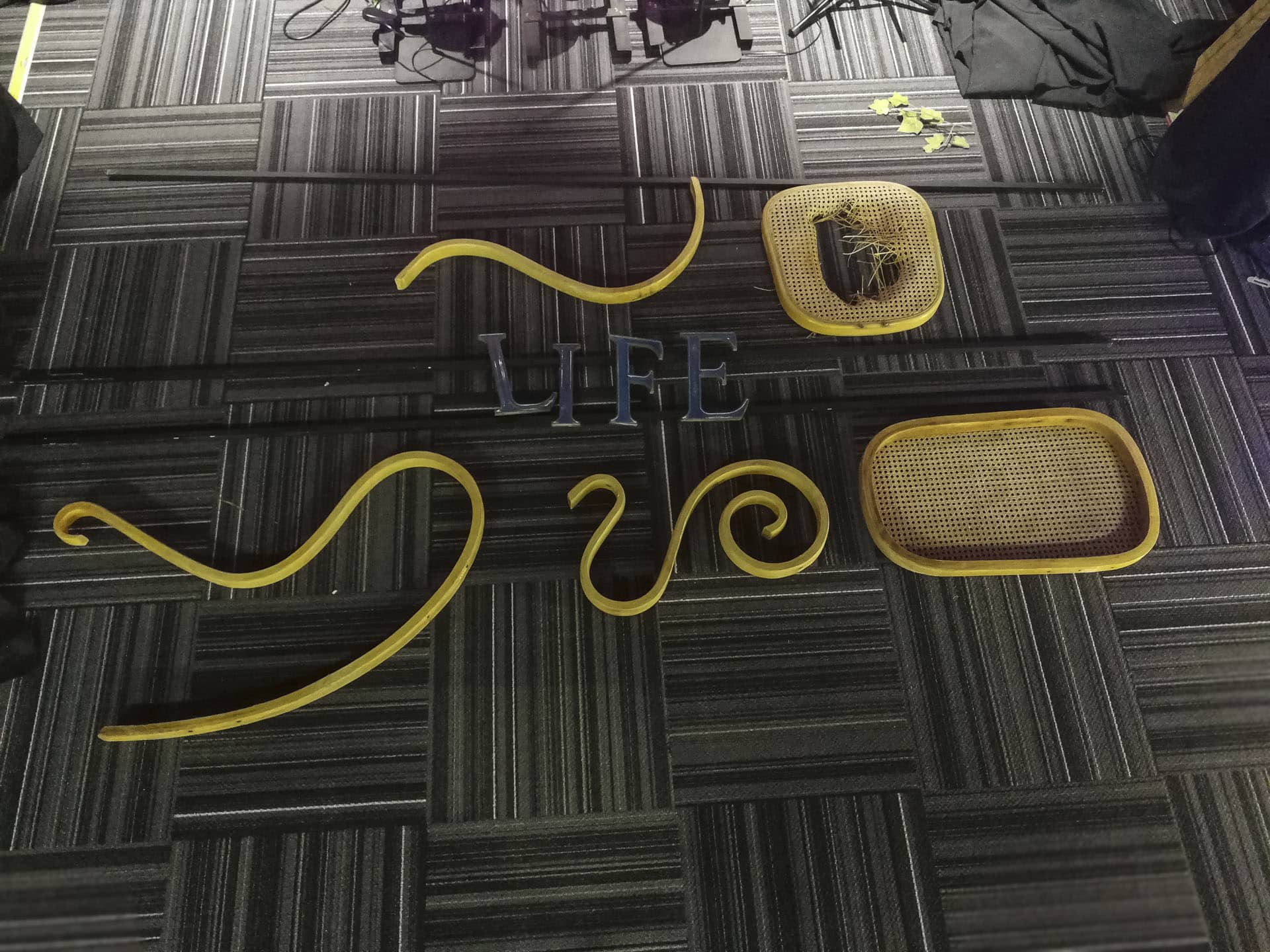
From Daniel: I was pulling apart a broken rocking chair into pieces small enough to fit into our bins when I noted how unique and beautiful each piece was. We had also recently pulled some old metal letters off the wall of our hall. So began the adventure of a new stage design. Through a miss-communication half of the pieces were thrown out but we were able to salvage together a great outcome.
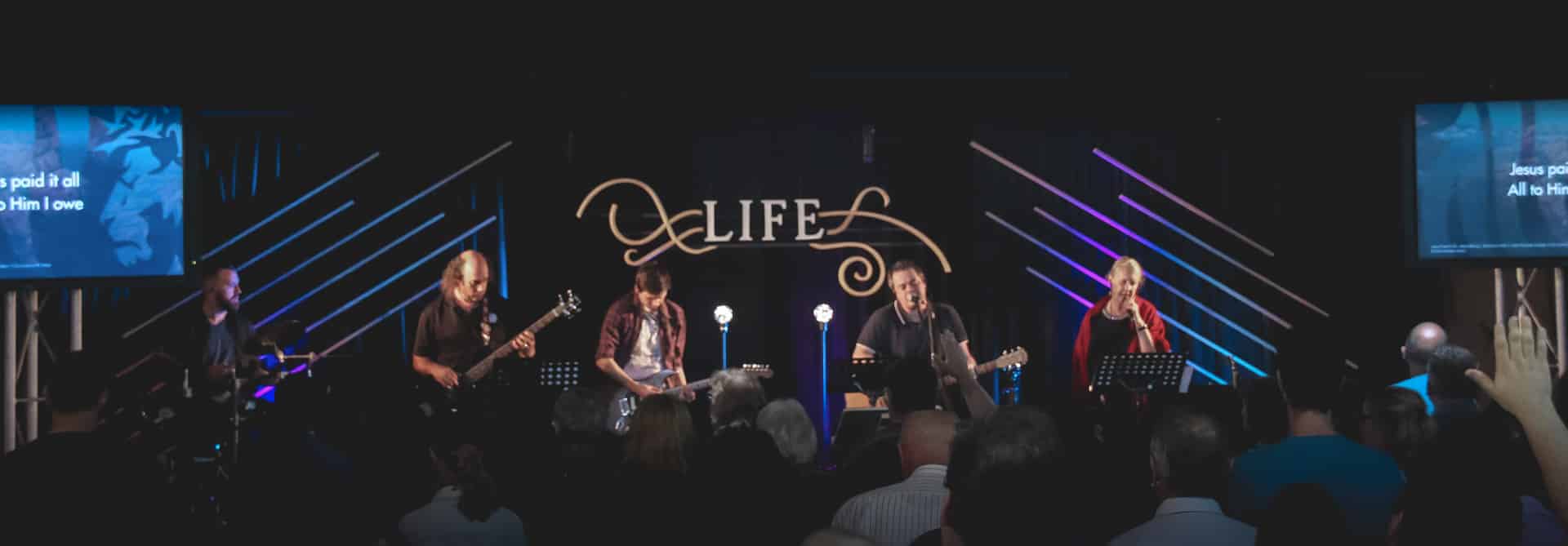
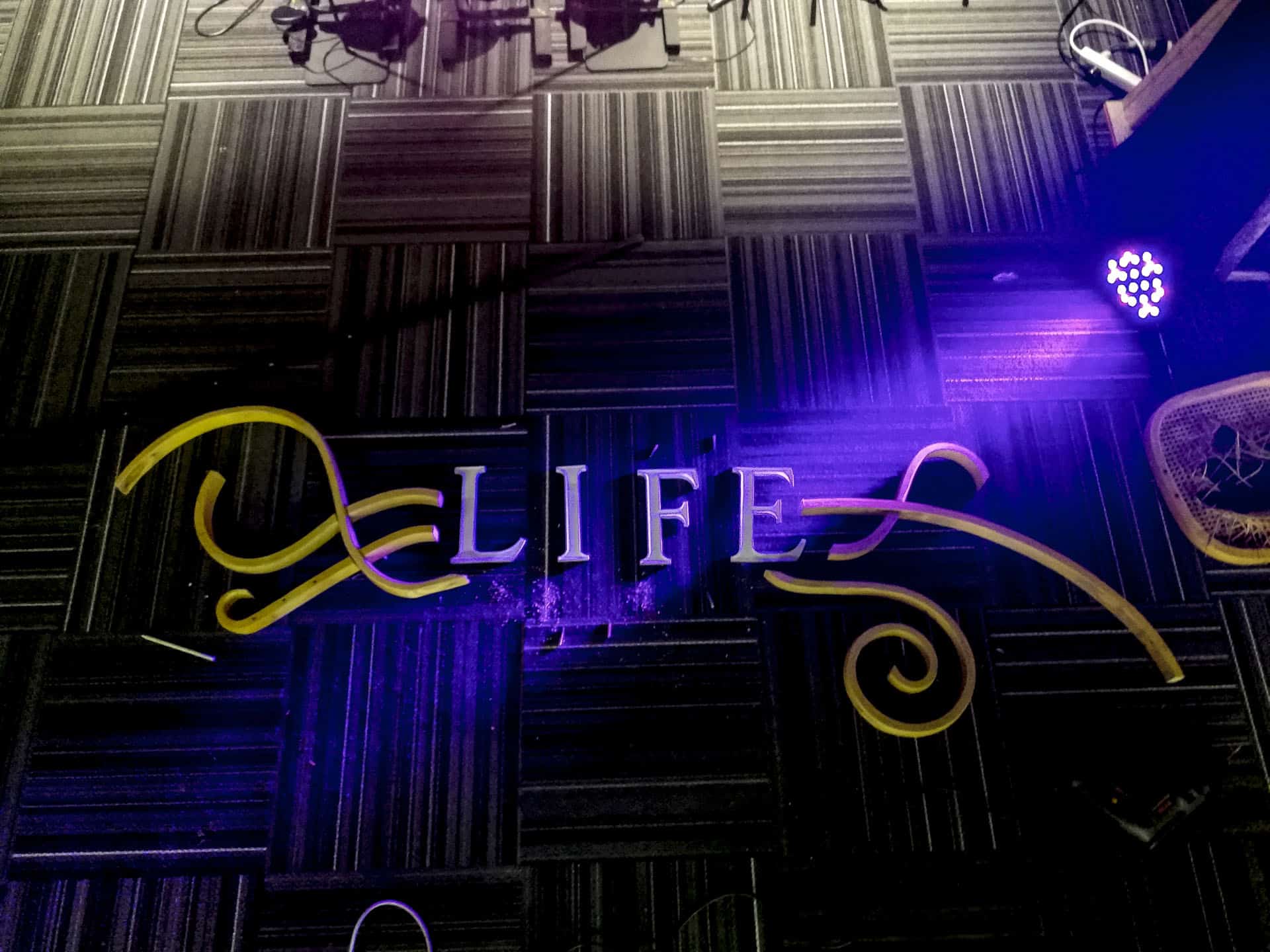
The swirls are entirely made from parts of the rocking chair.
The letters are metal letters were part of an old memorial that was removed from our church Hall.
3 pieces of dressed pine were painted black and screwed horizontally across the pieces with an addition short piece behind each letter to bring the letters forward from the swirls a small amount.
The design was hung with two pieces of black picture frame wire.
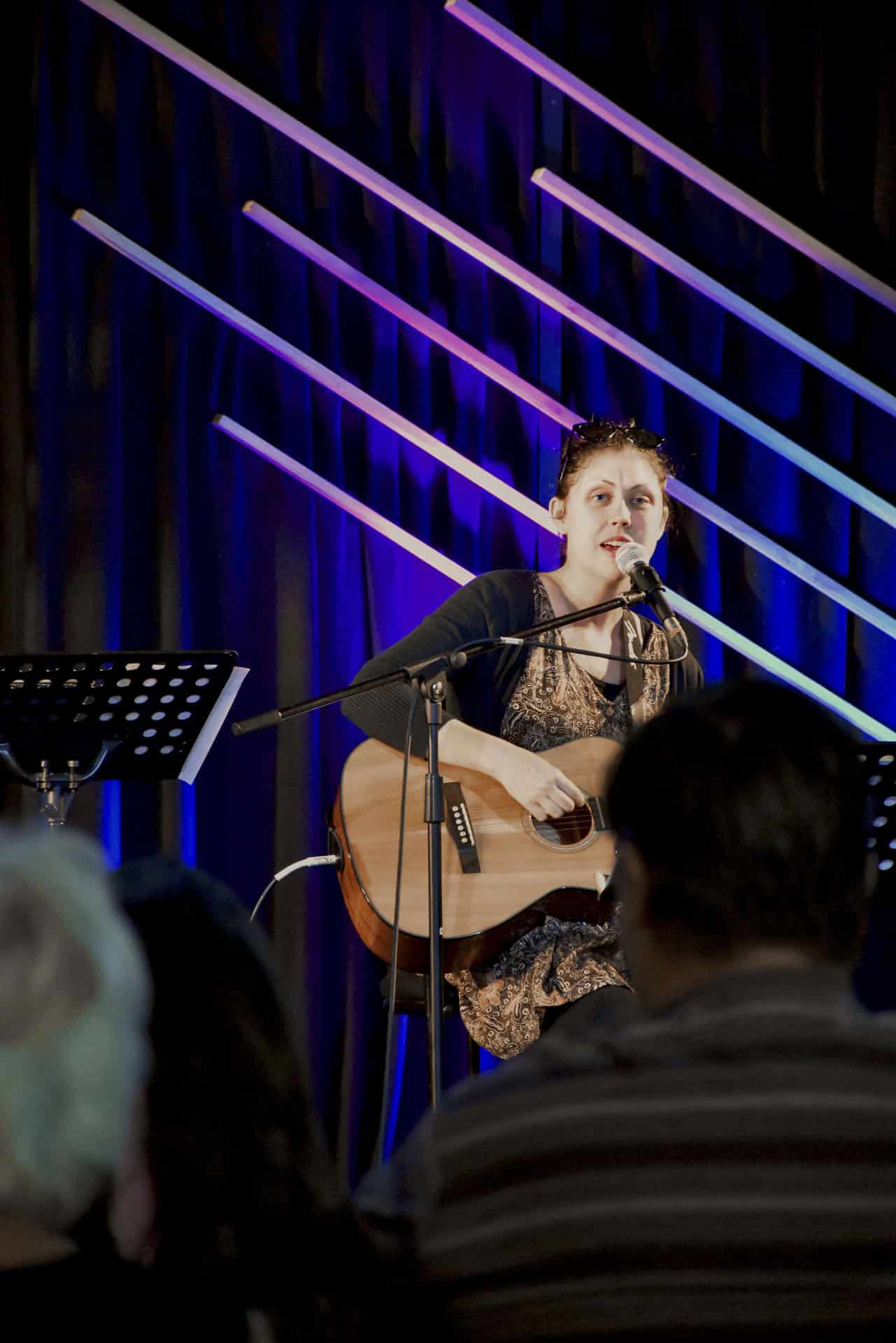
The accompanying lines on the back wall were made out of more dressed pine we had left over from another previous stage design.
We cut them to pairs of varying lengths and laid them out on the floor in a staggered pattern that we thought would translate well on the stage. The diagonal pieces were mounted on two more parallel pieces of dressed pine painted black. The parallel pieces allowed us to create a design that could fold down which has been handy for storing but also made us consider the options to use at one of our portable campuses. The designs were screwed straight into our timber stage partitions and lit with some simple led par 56s on floor stands.
The design cost us little more than some black spray paint and screws.
$50 – Rocking Chair (Ours was free)
$68.34 ($5.72 x 12) Dressed Pine 30mm x 11mm x 2.7m
$4.30 – Black Hobby wire
$8.60 – 2 Ceiling Hooks
+ varying screws + black spray paint

edf
edf
edf

edf
The Art of Repurposing in Church Stage Design
Repurposing materials for church stage design is both an art form and a practical necessity for many congregations. This design from Life Anglican Church demonstrates how unexpected materials can become powerful visual elements when viewed through a creative lens. Daniel Walmsley’s discovery of beauty in a broken rocking chair reminds us that stunning stage designs don’t always require expensive purchases from theatrical suppliers.
The philosophy behind repurposing extends beyond mere budget constraints. When congregations see familiar objects transformed into worship elements, it creates a connection between everyday life and sacred space. The rocking chair pieces in this design carry stories and history that new materials simply cannot replicate. Each swirl and curve represents not just aesthetic choice, but the redemption of something discarded into something that inspires worship.
Successful repurposing requires developing what designers call “material fluency”—the ability to see potential in objects beyond their original purpose. Metal letters from old memorials, wood from decommissioned furniture, and hardware from previous projects all become fair game. The key is maintaining a stockpile of interesting materials and training your design team to think creatively about unconventional applications.
Creating Visual Harmony with Mixed Materials
The combination of organic rocking chair swirls with industrial metal letters creates a compelling visual tension in this design. The contrast between natural wood grain and manufactured metal surfaces adds depth and interest that keeps the eye moving across the composition. This approach of mixing material types—organic with industrial, rough with smooth, old with new—creates sophisticated aesthetics without sophisticated budgets.
The horizontal pine boards serve multiple functions in this design. Structurally, they provide the framework that holds the disparate elements together. Visually, they create horizontal lines that ground the composition and prevent the swirling rocking chair pieces from feeling chaotic. The black paint unifies these structural elements while allowing the natural materials to remain the focal point.
When working with mixed materials, consider how they will interact with your lighting design. The varied surfaces in this piece—smooth metal letters, textured wood swirls, painted pine boards—each catch light differently. This creates natural highlights and shadows that add dimension even under simple lighting setups. LED par cans positioned at angles can accentuate these textural differences, creating visual interest that changes as viewers move through the space.
Practical Considerations for Hanging Stage Elements
The hanging mechanism for this design demonstrates important principles for suspended stage elements. Black picture frame wire provides sufficient strength for lightweight materials while remaining visually unobtrusive. The ceiling hooks must be anchored into structural elements—never rely on drywall anchors or other inadequate mounting hardware for overhead loads.
Weight distribution becomes critical when hanging asymmetrical designs like this one. The offset positioning of the metal letters creates uneven loading that must be accounted for in the hanging system. Multiple attachment points help distribute weight and provide redundancy in case one connection fails. Always test suspended elements thoroughly before exposing them to congregation traffic below.
Consider the practical aspects of installation and removal when designing hanging elements. This design uses simple hardware that volunteers can install without specialized tools or training. The foldable nature of the back wall elements demonstrates thoughtful planning for storage and reuse—important considerations for churches that change designs seasonally or for different sermon series.
Related Designs
- Death to Life – Another inspiring design featuring repurposed materials and creative woodwork that transforms humble elements into stunning visual statements.
- Hidden Candle Holds – See how Crosspointe Church used pallet wood to create vertical towers with integrated shelving for a warm, rustic worship atmosphere.
- Curved Wall – A stunning curved stage backdrop combining natural cedar planks with programmable LED strips for dynamic worship experiences.
- Radiant Pillars – Wooden pillars with DIY LED tube lighting that complement natural wood designs beautifully.
- Stage Origami – Geometric Coroplast folding technique that creates sophisticated architectural backdrops on a minimal budget.
Pro Tips for Repurposed Material Stage Designs
Material Sourcing Strategy: Develop relationships with local businesses, estate sale organizers, and congregation members who might have interesting materials destined for disposal. Create a designated storage area for potential stage materials—old windows, doors, furniture, and architectural salvage. The best materials often come from unexpected sources, and having space to collect them enables spontaneous creativity.
Safety Inspection Protocol: Always thoroughly inspect repurposed materials before incorporating them into stage designs. Check wood for rot, insect damage, or structural weakness. Examine metal pieces for sharp edges, rust, or instability. Clean all materials appropriately—some may require sanding, sealing, or treatment to be safe for indoor use around congregations.
Attachment Techniques: When joining disparate materials, use appropriate fasteners for each combination. Wood-to-wood connections work well with screws or nails, while wood-to-metal may require bolts or specialized hardware. Pre-drill holes to prevent splitting, and consider using construction adhesive in addition to mechanical fasteners for added security.
Lighting for Texture: Repurposed materials often have irregular surfaces that create interesting light patterns. Experiment with side lighting, uplighting, and backlighting to discover how different angles emphasize the unique character of your materials. The imperfections that make repurposed items interesting also create shadows and highlights that add depth to your design.
Related: Splash – Discover how to create stunning splattered paint effects on landscape fabric for a dynamic sea foam stage design.
Related: Superhero Base – Explore this themed youth event design that transforms a church into an immersive superhero training facility on a budget.
Related: Star Falls – Discover how to create stunning LED neon tube stage designs for youth worship on a budget under $100.
Related: Weathered – Discover another repurposed-material stage design built from reclaimed texture, modular panels, and warm practical lighting.
Related: The Game of Life – For another life-centered visual concept, explore how layered greenery and dimensional elements shape the Flourishing Life stage.


Leave a Reply
You must be logged in to post a comment.